
In a mortgage industry built on relationships, trust, and long-term commitment, few names carry the respect and recognition of Chrisman. In this special Father’s Day episode, David Lykken sits down with Rob Chrisman and his son, Robbie Chrisman, for a candid conversation about family, leadership, work ethic, and the values that have shaped one of the industry’s most trusted brands. From the origins of the legendary Chrisman Commentary to the evolution of the Chrisman podcast, this episode explores how consistency, credibility, and service have been passed down across three generations. Beyond mortgage banking, it’s a powerful discussion about parenting, legacy, personal discipline, and why showing up every day still matters in a rapidly changing world. Whether you’re a lender, executive, entrepreneur, or parent, you’ll walk away with timeless lessons on leadership and the impact one family can have on an entire industry.
[David] Rob and Robbie, what a treat to have the two of you on screen here at the same time. We’re doing this, as you know, as a Father’s Day special. And we want to honor the Chrisman family. I want to honor the legacy of Rob, you specifically and so we’re going to start with some questions to you directly. You have been had a powerful impact, the Chrisman report’s been going on for how many years now? 40 plus? I don’t know. It’s a long time.
[Rob] I think during the Nixon administration, David, I think when I when I kicked it off. No. Several some some decades.
[David] Yeah. Yeah, if it’s if it but you started out in capital markets, yeah, some decades ago. You started out in capital markets, and I’m assuming, but tell us, the inspiration for writing the Chrisman Report started as a result of you probably doing what many capital markets people do is try to provide some information to your staff. How did it start? I that was my guess. What is the genesis of this beauty this wonderful thing?
[Rob] So back so the mid eighties, late eighties, I became a partner at Tuttle and Company, which was the first you know, pipeline hedging company, and Paul Tuttle used to, used to write down what the market was doing and why, and he would on a yellow pad of paper and make copies and distribute them to the other account managers and so we’d read off Paul’s statement to our accounts when they would call in every day. And so when email was invented, it became easier to send out that paragraph and it just kind of took off from there. It seemed like when I would go to different companies and run capital markets, the staff liked getting an update on why interest rates were doing what they were doing and what investors were doing and so on and so forth and the a lot of people asked me about the joke or the trivia I typically put at the end of the commentary. And that’s, you know, it’s kind of like a spoonful of sugar helps the medicine go down. We used to the jokes that we would exchange on the trading desk weren’t really mostly printable. But you know, I’ve kept that up and people enjoy having a laugh. And I they’ll come up to me at conferences and say, you know, I pass those on to my dad or I pass them on to my wife and thanks for including those. So I keep doing it and some are really corny and some are a little racy, but You know, whatever.
[David] They’re but they’re so good. In my interview, I did numerous interviews with David Stevens and one of the things we talked about was the Chrisman report in one of those interviews and he says, Dave, to be honest, I never miss reading at least the jokes on the Crisman report. He says, I want to read the whole thing. There’s so much good content in the letter. And I encourage anyone who’s not familiar with this. We have so many new people in the industry listening to this podcast that if you haven’t go to the Chrisman Report, it is just the most comprehensive overview daily of what’s going on, gives you so much perspective on it. So, but anyway,
[Robbie] Can I add something to that briefly? I I would say that it’s so easy for people to be negative these days or be provocative for impressions or clicks or eyeballs and so leading with a joke or closing with the joke, I think I think that goes a long way. Nobody wants to start their morning pissed off. They want to start their morning with a little joke or a little levity or a little humor. And so that’s been a key, certainly.
[David] Yes. I think it has, and I see when you see the markets doing what they’ve been doing lately, backing up and being really frustrating, to have at least the bad news ca like you said, a little sugar going down with it and Robbie, I think it’s so true. I’m really interested in the father son component. You, Robbie, grew up with a bit of a mortgage icon in the room and I know Rob you are probably don’t hear it see yourself in that way, but you are well known. You speak at almost every conference that’s going on. I don’t know how many frequent flyers you have, miles you have, but you are, it seems like a the keynote speaker at so many of these conferences and bringing some great content. And Robbie’s now stepping up and into those shoes and doing an awesome job of that. But Robbie, what was it like growing up in the shadow of Rob Chrisman? What was the influence he had on that
[Rob] Okay. Well, I have my story. This is like this is like a there’s a Bill Burr comedic skit where he’s talking about L. Ron Hubbard. You know, there’s video of him stubbing his toe and going, everyone puts on one pant leg at a time. It’s just what it’s my dad.
[Robbie] Yeah. So there’s no shadow involved. David Robbie has built has gone his own done his own thing and I gave him a start.
[David] But can you say that what you’ve done, Rob, hasn’t influenced? I mean there’s got to have been the influence or is this Robbie just totally one hundred percent. I know you have your own fingerprint, you have your own personality, a very a wonderful personality. How how but has it influenced what your dad has done in.
[Robbie] The brand is credible, consistency and that’s what I’m trying to keep going on into the future. Be a good steward of that. That’s we are nothing if not credible and consistent.
[David] Yeah. Well there there is something. that’s one of the things. One of my favorite times is both Rob and I spoke at I believe it was Five Rivers Conference, Three Rivers Conference, whatever, some rivers conference here in Memphis. And we were both taking the same flight out back to California. I was living in California at the time. And I have a picture of you at 4:30 in the morning sitting in the in the hotel, I mean at the airport. And I snuck up behind you and I recorded this and I posted that out and I said if there’s any question about the commitment of Rob Chrisman to this report, here is a testimony and I shot a picture and put as we’re at the airport and whatever airline it was and that went viral as well. I think a lot of people really appreciate the consistency and as to your consistency and what it takes to do this. But I want to get some insights into what it was like growing up with Rob Crisman as a dad, Robbie.
[Rob] Well, he went out of his way to spend a lot of time coaching our sports teams, making sure he was home for for dinner. Dinner with dad was normally cheesy bread, melts put some cheese on bread, put it in the toaster, make some rice, he’s a good baker. He’s a good baker, certainly.
[David] A good gourmet cook, huh? Yeah.
[Rob] I had good salads. I made a good salads.
[Robbie] We had we had homemade root beer one time. That was that’s not for dinner, but we did we had pop rocks. We had like scientific experiments in the kitchen. That was fun. He coached a lot of my sports teams, a lot of my sisters’ sports teams, which is very nice. We used to ride bikes together all of the time. And actually he would he had a he had a milk crate on the back of his. We rode bikes this morning for his birthday. He had a milk crate on the back of his bike. He had a milk crate on the back of his bike and one of those picker upper things, like the claw. And he’d pick up bottles and cans on the side of the road doing a service to the local community. But also he’d let my sister and me sort it and in California you get money for that. So we’d take it to the dump and that was our spending money. So that was he was kind he was a bit of a slave driver in all in all as a no, just kidding. No, he was he made a conscious effort to be around a lot, which was good.
[David] Which I think in the mortgage industry, Rob, that’s a challenge. Work life balance is one of the things most people in the mortgage industry really struggle with and to find you spending the time investing in time, especially coaching as you did, that’s a real testimony. Well, how did you do that? How did you manage the work-life balance? I think there’s a lot of people listening to this are going, I struggle with that one. How did Rob do it?
[Rob] Well, the you know, going back to the commentary, the commentary has opened up different venues or different avenues in terms of work life balance. But being capital markets on the West Coast, you know, we were at work by 5:00 or 5:30AM and typically we were off by 2:00 – 2:30 in the afternoon. So I had the advantage of my just my basic work schedule, way back when and I would get off work about when Robbie and his sister Marie were getting off school. So that allowed a lot of time in the afternoon. Now, you know, by the time seven or seven thirty or eight o’clock at night would roll around, it was time for me to go to bed. But during the day it allowed a lot of a lot of fun and a lot of activities and picking them up from school or taking them on play dates and so forth. But it’s a challenge and parents do what they can do and nobody grows up and has kids and says, I’m gonna be a bad parent. Everybody tries to do what they can to be a good parent in their view and I think it’s you know, ever you know, people do what they can do. So
[David] Yeah. Well y you you did it and what was it? What sports did you play, Robbie?
[Rob] Baseball, basketball, football. I think there was rec soccer up until eighth grade. We rode mountain bikes a lot because we’re we grew up in Marin County, California is where mountain biking was invented. And so we’d ride mountain bikes on Mount Tamil Pius. Some of my earliest memories are him and me riding around this loop called China Camp to go to the Marin County Farmers Market to meet my mom and my sister every Sunday for getting fruits or whatever people get at farmers markets. So Bike riding was big. We had ball sports as well. And then we we used to we had a pool we had a pool in the backyard and we used to play all sorts of games in the pool. notably you know, throw a bunch of nickels or pennies in the bottom and dive and get them when you’re, you know, elbowing out.
[David] Of course it would have to have a financial component to it, you know. You know, silver dollars. That’s awesome.
[Rob] Well there’s also there’s also toothpick. Remember toothpicks, yeah, toothpick throw toothpicks, yeah, toothpicks. Yeah, you would you would somebody would somebody would swim underwater and release a toothpick and everybody else would be around the edge of the pool and trying to jump in and grab that toothpick before somebody else saw the toothpick and the toothpick would float. No, no, no, just with your hand.
[Robbie] This is a pre iPad era, if you couldn’t tell. We had to we had to entertain ourselves. Yeah, there you go.
[David] Yeah. Well, and I think it’s so good because what you you but you spend time together as a family. And I think that’s one of the most important times. You invest the time. And what are some of the lessons, Robbie, you learned? You talked about consistency, watching your dad consistently. But riding a bike, did you guys have some great times just talking and sharing father-son life stories?
[Robbie] Mostly bad times, actually. Yeah, a lot of bad times. Well,
[Rob] So, in addition to that, David, we when Robbie and Marie were smaller, we made it a goal to go to all fifty states before Robbie went off to college. and we proceeded to do that through summer vacations and spring breaks and winter breaks and so forth. We hit we went to all fifty states. And that’s a lot of car time, a lot of time spent driving through cornfields in Iowa or Kansas. Ninety nine bottles of beer on the wall. Yeah, across the desert. And so it was a it had that had definitely had its high points and its low points in terms of being together and you know, just seeing the country but also just talking and being with one another. And I think I think overall it was a it was a positive experience. What do you think?
[Robbie] Yeah, I tell people all the time that I got to go to all 50 states before college and and his road warrior esqueness has rubbed off on me for better and worse. so we’re we’re kinda like a rolling stone.
[David] You telling me you drove to all fifty states?
[Robbie] No, it would be like you fly to Chicago and then you drive through Iowa and Nebraska and and you know Minnesota or something like that.
[Rob] Yeah, flying to Boston and head through Vermont and Connecticut and New Hampshire and Maine and so forth. So yeah, it was it was it was fun for me. I grew up traveling with my parents, just driving primarily. but the but I think what it did was help the kids realize that it’s a big country and people matter as do the sights and sounds of the United States. And I think that sometimes that gets forgotten because so many of the conferences that we go to, you fly in, you take an Uber to the hotel, you sit there at the conference hotel for a day or two or three, and then you go back to the hotel and you leave. And I think so much of the United States isn’t seen that way and to be able to see the sites and the deserts and the mountains and so on and you know, the lowest point in the United States or the highest point in the United States, or, you know, the most southern or the most northern, whatever it might be, I think is important and eat the local foods and you know, talk to the people and go on a tour of the Tabasco plant or…
[Robbie] McLeheny Island. Yeah. Livery Island, Louisiana. Yeah, I think so. And…
[Rob] You know, go, you know, shoot off fireworks near Chicago or go to a Cubs game or go to you know, Seattle Mariners game or drink, you know, have a sip of coffee at the original Starbucks. I think those that’s what makes up so much of the United States and makes up so much of our industry because you are dealing with people from those places. So, to be able to talk to them and say, Hey, you know, Frank, where are you from? I’m from, you know, the Outer Banks. you know, Kitty you know, or we went to Kitty or whatever it might be. To be able to relate to people I think it generally is a good thing.
[David] Yeah, I would imagine that helps as you’re writing your report every morning. Being able to relate to me, because I’ve been there. I mean, that you I’ve been to that coffee shop to be able to have that kind of experience there. So, it sounds like I want to talk about biking because this is something you guys have done from your earliest memories. I caught up Rob Robbie and I were talking. He says, Dave, I’m calling you from Portugal. I go, and you call me from Portugal? He says, Yeah, we got a bike ride over here. And I go, What the heck? Who is inspired to go to Portugal to do a bike ride? Obviously, biking became really a part of your DNA. And you’ve done it all over the world and you’ve had some high experiences and you also had that really tragic experience. I wanna talk a little bit about that. And did when you went through that horrific accident? I remember your dad sent out some Yeah.
[Rob] Well can I put, can I gotta set the record straight on that we could talk about me getting hit by a car in London, but I was not on a bicycle. That I was on foot. So this isn’t like this is I’m not a I have really good bike handling skills, actually. I’d like to set the record straight on I was I was on foot crossing the road and got hit by a car in London.
[David] Okay, so that was for some reason I thought you were on a bicycle and that because of the lever.
[Rob] No, no, the cars come from the wrong way over there though, Dave. You know that.
[David] They do when you when you look right and they’re coming from the left and vice yeah, it’s vice versa. It’s yeah, it’s a little confusing. Yeah, I’ve driven a lot in that in the UK. So when you look well, yeah
[Rob] I guess I didn’t teach him to look both ways before he crosses his animal. So the bike bicycling David, I think, you know, I grew up. my dad taught me how to l learn how to ride a bike on the street in Santa Barbara, you know, rode my bike a lot, had a saved up my paper route money, had a paper route on my bike, saved up some money, had a bike built for me, which I still own and still ride. And the bicycling allows you to see things in less time than say running or walking and to be able to cover, you know, forty, fifty, sixty miles or whatever of typically really nice areas, I think, without a lot of strain on your ankles or knees or lower back, ⁓ to me makes a difference. And Robbie, I’m speaking for Robbie here a little bit, he can fill you in, but Robbie’s a very competitive kid. I still consider him a kid. And he you know he was on the University of Texas bicycling team. He went to the college national championships for some you know, for mountain biking. And when he graduated went off to race in Switzerland on a team. So he’s he also is you know saw the value of bicycling and going fast and you can just go off. I mean he would ride
[Robbie] I think you mean bicycling showed me the value of mortgage banking, actually making a livable wage. Livable wage. There you go.
[Rob] You can’t do that really in bicycling. But I mean he would, you know, I’d go to visit him at University of Texas and I’d say, Hey, what do you want to do today? He said, Well go, you know, drive out to Fredericksburg and I’ll meet you there. And so he would take off and from Austin and ride, you know, fifty or hundred miles and I’d meet him, we’d have barbecued lunch and then drive back and so that was that was truly enjoyable. But bicycling is a good a good you know non-polluting way to see a lot of countryside and get some good exercise.
[Robbie] I was I was at a Penny Mac event earlier this week in the valley by Los Angeles. My mom grew up in Tarzana and I called her after the there was a golf there was a gala, there was a golf day, there was the whole thing. And I called her, I said I’m on the corner of Resita and Sino Boulevard or something like that, right Woodland Hills. Didn’t Tom Penny write about that? Yeah, yeah. She’s a good girl living on Reseda. And my mom goes, I used to ride my bike around there all the time. I’m looking at this intersection, going like this is a harrowing cross streets of just cars, cars, cars. And so my mom did it also. And so we were kind of a family of bicyclists or bicyclists. We weren’t we weren’t weird though. We have like he we we didn’t wear the the Lieb Lorp spandex get ups and like the the weird, you know, Oakley racing glasses and all we just we just got out and rode, you know, we got we had didn’t really have clippin’ pedals. We yeah did start.
[Rob] Yeah. David, what do you do for exercise? You’re you’re obviously very fit.
[David] I enjoy the gym. I mean, first of all, get me out and hiking somewhere. I I just I love I love hiking in the mountains and so, but I love working out. It is one of those things where my fiance and I get up here early every morning, we go for a good, you know, three, four mile walk and then get in back into the gym is the theory if I don’t have a call starting up right away and get so but working out is just something that’s so important. But I think when you do it with someone else, like we walk with a group and when you’re riding with a group or working out with a group, it’s an activity where you’re in a common discipline, you’re staying competitive, you’re keeping up and pace. If you’re a little laggy one day, the rest of the group kind of keep moves you along. But it’s the conversation you have. It’s the way to get to know someone in a way that you don’t otherwise do that as you’re sitting at a business meeting or something like that. Just go out and take a hike. I think there’s so many things that the MBA does and a lot of conferences do, whether it be the 5Ks that they run or at the conferences in the morning. Is it Fannie Band that does that? The Fannie Man run. But I mean I th but I think you find the participation, participative port sports is one of the things I enjoy so much. But there’s sometimes getting on rollerblades, I still use my rollerblades. I love rollerblading. That is one of the things where I just get out at the speed and the motion is just something that’s really fun. But thanks for asking.
[Rob] Wait a minute, wait a minute, wait, wait, wait. So I would say that the number of seventy-five year olds who are rollerblading, you know, there’s there’s you could probably have a nationwide club of about fifteen. So
[David] That’s true. Fifty, yeah, that that is very true. But it’s for me for exercise for my legs, ski legs. I still an avid snow skier, I love snow skiing. And in the summer, it’s a way to keep the same motion when you’re slaloming and going through moguls and different things like that. It keeps you it gets the same thigh burn as if you were up on a on a ski slope and you can keep those ski muscles attuned. That’s so that’s really the motivation. I it’s fun, I enjoy it, the motion of it, but it’s that yeah, you’re right. There’s not many doing that. My fiance thinks I’m crazy. I’m ordering a new set of rollerblades right now. So but the…
[Rob] Where are you gonna rent out Madison Square Garden like Taylor Swift and Travis Kelsey for your wedding? No, I’m just kidding.
[David] No, we’re we’re gonna do a much more we’re gonna do a much more that this one. This one is gonna be a very muted wedding, but one of the things I want to honor your dad, because you’re a junior and you already referenced him. You went bike riding. Talk about your dad, saying that this is Father’s Day, Rob, the impact that he had on your life.
[Rob] Yeah, so Robbie Robbie’s the third. You’re a junior talk. No, I’m saying I’m junior. My dad was Robert Charles Christman. the you know he established in me a work ethic, I would say. He you know, he grew up during the depression in San Francisco, he had two or three jobs at a time. he graduated from high school, World War Two started, he went straight into the Navy and I asked him why he went in the Navy instead of the Army and so forth. And everybody was enlisting. And he said he really wanted a place to sleep every night and three meals a day and he didn’t see that happening in in a foxhole in you know Iwojima or or Europe. So he went into the Navy and he was in 20 years, worked hard, was a chief petty officer, and went to work for a a juvenile boys camp outside of Santa Barbara, when I was a little little kid and then went to work in a cannery in the Santa Clara Valley and finished off his career being a foreman at a cannery. And he would he would go to work very early and come home in the late afternoon, day in and day out. And I don’t recall him ever being sick and he just he put in the hours and he was just very consistent and he, you know, did his job. And you know, just like every just like every set of father-son or mother-daughter, you know, we had our disagreements and and our agreements, but he I always saw him do that. And you know, I admired that at some level. So he was kinda he was a role model in terms of work. And yeah, he was just an ordinary guy. So he you know in later life say in later life, he, you know, I was writing the commentary and I could, you know, I got to get the commentary out by six or seven in the morning, and then I’d have a good chunk of the day to spend with him. He lived to be 96, and he yeah, 96 and a half. and so in later life, you know, he kind of knew what I did, but not really. And he just wanted to spend time with me. And it would be, you know, what you know, where are we going to lunch today? You know, they’ve got a good martini. You would have a martini. And he just wanted to get out of his assisted care facility and spend time, go to lunch. And that’s all he didn’t want. He didn’t care about my commentary, he didn’t care about other stuff. He wanted to know what Marie was doing, what Robbie was doing, and that was the deal.
[David] it’s look listening when you hear these kind of stories, listeners, you you realize the importance of a father figure. And so I would challenge you, you look at Rob Sr. to Rob Jr., the impact he has. Now Rob Jr. to Robbie the third, and to see the impact that’s handling. I just, you know, Robbie, what you’re the benefactor of now two generations of parenting. How would you describe actually your grandpa with your dad and then yours with your dad? How would you describe it and what would you encourage others to walk away with as they think about their parenting skills and what and I mean and I know none of us are perfect and we all make those mistakes, but it’s been an overall successful journey with you guys.
[Robbie] Well, not without fair share of bumps in the road. But I would say you you’ve brought you brought it up and work ethic is a big thing. I remember I had a friend visit me at my house and his dad had come to the US from Mexico and opened a bicycle shop in Orange County and my friend basically said the only day of the year he takes off is Christmas. That’s it. And he’s working seven days a week and he doesn’t take days off and that instilled a work ethic and my friend has a very strong work ethic. Two, and so for for the commentary, it goes out five thirty, five forty, five AM Pacific, six days a week, fifty-two weeks a year, and there’s there’s no choice but to really probably I guess you that you s you consciously or subconsciously internalize some of you know some of that or most of that, whether you want to or not. If you if you see somebody that’s that’s putting in work, that’s that’s your guiding light, North Star. Not to be too woo-woo about it, but but if that’s what you see, that’s what you that’s what you follow it. And so I’ve always thought the best leaders, I’m not calling you a leader, don’t worry, but I’ve always thought the best leaders led from the front. You know, the bosses that I’ve had in business when I was working at regular companies, they were the ones that that were in the office, the first left the office, the last could roll up their sleeves and do anything the rest of us could do, but also knew how to manage people. I just worked that much harder than everybody else. I think that’s the true testament of a of a good leader. And so for the commentary, I mentioned at the beginning, our brand is nothing if not credible and consistent, and consistent, not inconsistent. And and so having this this example of six days a week goes out, also we talked exercise, we talked making time, making time for your kids. He’s incredible at setting aside time right after the commentary goes out to exercise on the road at conferences, which can be very, very hard. I’ve definitely struggled with that in terms of Yeah.
[David] I’ve seen him in the gym. There’s times where I’ve gone andI’ve seen him, whether it’s just w walk or in the gym, I’ve seen that. I like in the gym early, but
[Rob] It’s because like to eat cookies, Dave. I I you know, I like my sweets. So if I’m gonna eat some sweets, I wanna like at least work up a sweat at some point. So yeah, it’s a ⁓ it it’s it’s a to to for me consistency, you know, was hammered home. You know, if you have a paper route, you’re gonna do it seven days a week. you’re working in a cannery, especially during when the fruit is being harvested, you’re in there six days a week. I think when people send me an email and I write back, or you write back, or Robbie writes back, I I’m like I sometimes I receive back. Gee, I didn’t think you’d write back. I always wanna be there for somebody. If they’re gonna take the time to write me a note or leave me a voicemail, send me a text, I’m gonna return that. I owe I owe them that. If they’re gonna take the time to read the commentary or they’re gonna take the time to listen to r one of Robbie’s shows, we wanna give them something to that make makes it worth their while. otherwise, you know, why they’re otherwise they’re gonna do something else with their time. Yeah.
[David] You both perform in excellence. And Rob, we’ve been watching your work for years and years and years. And now we’re enjoying Robbie’s contributions. And Robbie, as a podcaster for 19 years and developing and trying to hone my skills, I’m always working on it. You really do an unusual job, I’m usually good job, of interviewing. It but it’s a unique style. I said I said use unusual because that could go in different ways, but l there’s something that I’ve at ever since you did that, I sat and made a number of middle notes after you interviewed me. I’m going, I noticed Rob did this, Robbie did this, I noticed Robbie did this. So you become a student of watching someone do something well. You’d learn from your dad. I, as a podcaster, am now learning already from how you do that. Describe your podcast. What was the inspiration to it? And why did you not go to writing? You went to podcasting and what is what makes yours what I consider a very special podcast?
[Rob] Well, you’re too kind with the platitudes and the compliments always. So thank you for that. The podcast was born out of people reading the daily commentary and saying, you know, I love reading this, but sometimes I’m rushing into work. It’d be great if I could listen to it. Is there an audio version of it? And so the thought was, okay, well, we will read a good chunk of the commentary, but then it’s evolved over time into 250 different interviews throughout the course of the year. And I guess what I really like about it is to skip to your third question, I’ll go back to your second one. But what I really like about it is I get to speak with so many different types of people. Now, if you have a show that is focused on CEOs, maybe you’re just talking to CEOs at different lenders or tech companies. I’m speaking with somebody that I just spoke with some woman who runs Trends for Google. Google Trends for housing data. speak with somebody that’s working on automating the appraisal technology process. talk with somebody who works in Washington DC as a lobbyist and here’s what we’re working on with the housing. I think it’s a very cool way to get a holistic perspective of what’s going on. And because I do so many interviews, I can speak to these random people versus trying to target a certain group.
[David] Well and then also and also I think reading you what watching your dad’s work all these years and watching the success he has, you got a great foundation of knowledge as you start doing this that very few people have and the exposure that you’ve had is, you know, just unusual, wonderful.
[Robbie] Yeah, you ask about the I brought up the L. Ron Hubbard story earlier of what’s it like growing up with a superhero father or but the you know you pick up little tidbits here and there listening growing up, but also I mean that’s what the podcast allows for is if you talk if I talk with all these different people, I’ll take little sound bites here and there and that that plays into if I go to a conference and I’m asked to speak our stick is kind of around mortgage in however many minutes. And so it’s very nice to be able to draw from all these different people and get that. My background is writing. It isn’t podcasting. I grew up I grew up reading voraciously. I don’t know if you finance. Finance. But I from the University of Texas at Austin, the business school there. But I always liked writing. I took journalism classes in high school.
[Rob] Robbie’s a very good writer.
[Robbie] I’ve written the commentary, capital market section of commentary for years at this point. I like writing. The podcasting was one, because people said we want an audio version and my dad said, well, I don’t want to do that. I don’t want to spend more time doing that. And two, he will tell you, I will tell you. Most people I’m a pretty curious person. And so it makes sense to be able to ask questions for a living. Now I’m sure for frequent listeners they can tell when some are more sincere curiosity and some are more well, there’s a script to stick to, but I like I don’t feel like I have I’m not the one that should be doling out knowledge. I like pulling at this point, maybe at some someday it’s
[Rob] And David, David, you probably see this with I mean you do these as well. You realize that people everybody has a voice and everybody deserves to some level to be heard and everybody can contribute. And for you, certainly, and for Robbie to be able to meet all of these people who make up our industry is is very, very important. And not you know, it’s invaluable. So hats off to both of you guys.
[David] Yeah. It is something we as you start doing it more and more, you’re realizing, man, I gotta shut up more and listen more because there’s so much wisdom. And it’s not about age, it’s pulling on people’s experiences, which is and getting into the deeper story, that I think is resonant with everyone. I think everyone has a story, and I think it’s so important. And Robbie, you do a really good job of digging in and getting the story. You listen thoughtfully, is my one of my observations. You listen actively and thoughtfully. And then you and then and the and then you also what you do then is you find something that someone said and you say, wait a minute, I want to go to that. And you you dive into that. And it’s but it’s done respectfully and with a level of humility that’s wonderful. I love what Patrick Lancioni said. Hungry, humble, and smart, humility being the most important one of them. But I’m gonna wrap this interview up with why, your why. Why, Rob, do you do this consistently? And yeah, you’re I’m 75, so you’re still you’re still a young guy, to me in my book. And Robbie, why are you doing this? So, Rob Se Jr., as in Rob Chrisman, the Rob Report, why do you do what you do?
[Rob] So I nearly every day I think about why I started writing it in the first place, which was to provide a unbiased source of news. I mean, at that point, people got their news from typically from investment banks, you know, research pieces or a third party provider slash vendor trying to convince them to buy their product and there really wasn’t a mortgage source of news that was credible and unbiased. And so I started doing it to provide that. You know, originally the commentary went out to a couple hundred people and it’s grown since then. But people still look to it as a source of news and you know some of that they might like reading and some of it they probably they don’t like reading but the fact is our industry touches so many facets of the United States and about our economy and politics and so forth, commerce, that you know it’s hard to keep track of it. So I enjoy doing it because A, like Robbie, I like writing. B, I like providing a service to people that I think is of value. I like going to a conference and having people say, hey, you know, I was out of a job for a couple months and then I saw a job in your commentary and I applied and I’ve been there for four years and I love it and thank you very much. You helped feed my family. I like hearing things like that. So it’s a service and I enjoy doing it. And when I tell people when I stop enjoying it, I’ll s stop doing it. I would say
[Robbie] The short answer would be that people depend on us. And that’s a good that’s a good enough why for me. Now if I want to be conceited or self-serving, I’d say, well I don’t want to go back to having to work for a a corporate entity. You know, I like I like working for Christman LLC. We can make it corporate. No but Yankees facial hair policy getting instituted next week. Yeah. Do they still have that policy?
[David] So when I when I think about your report and the exposure that it gives you, I’m getting this now to a degree it’s a bit awkward sometimes, Rob, and Robbie, you’re getting this now because of you already get invited into circles to speak and as your dad has. But I was going down the escalator at the Atlanta airport on Sunday, flying home from Florida and someone reached out to me and I across the not even the same escalator, the other one going down the same speed we’re going down. He says, Hey Dave, are you going to the chairman’s club? And it threw me off. I’m going, I looked at the guy, I go, I have no idea who this individual is. And because we do this enough video, but we out there publishing. How do you how have you handled that? Because a lot of people say, I mean, anyone who knows you. You’re probably both some of the most humble people that are out there. And I love that’s one of the things I really enjoy. And I think that’s what’s contributed to the success. You’re shaking your head, Robbie. That’s that’s not true, Robbie. You guys are both, there’s a wonderful sense of humility that goes along with it. But how have you handled that? Because that that is that has waylaid a lot of people to have had achieved the level of success. How have you handled that?
[Rob] Can I step in here?
[Robbie] Please. So I’m not I’m not humble at all. So you you should you should answer that.
[Rob] The deal is, I mean, David, you probably recognize this better than anyone in the industry. When you’re talking to somebody, whether they are a processor or an underwriter or a loan officer or an accounting executive or any one of the myriad of jobs that are in our industry, they are very good at what they do. And they deserve to be recognized. We’re good at educating people about what’s going on with interest rates and what’s going on with investors and what’s going on the industry. We’re good at that. So we don’t deserve to be, I feel, we don’t deserve to be recognized any more than a top underwriter or a top processor or a top salesperson. And so I remember Sean and my wife used to work for Wells Fargo correspondent and Wells Fargo correspondent
[David] Yes. She was my rep. She was my rap at one point. Yeah. Loved her.
[Rob] But they would have, you know, typically organizations have sales events like the President’s Club and so forth, and off they go to Hawaii or the Bahamas or whatever. Wells Fargo would have a cruise for their top ops people. And I think it’s important that that we recognize people like that because Wells Fargo certainly did. They said we can’t have this organization without the operations staff and we are going to recognize their contribution, when Robbie’s interviewing somebody or when I’m talking to somebody at a conference or whatever via email, they’re they’re oftentimes superb at what they do. They I could not do what they do. They couldn’t do what I do. So to be able to recognize that. And like I said, David, you probably see that day in and day out.
[Robbie] That’s an odd answer. The I thought they were finishing the bronze busts of us. You had commission like today.
[Rob] Bronze. Yeah, not gold.
[David] They’re not gold, they’re just bronze. you guys, I I’m so glad you both took the time to come here. It’s an honor to be with you both and know you both and call you friends. And one of the things, Rob, I have always been so appreciative of. If I’ve had an issue or something that’s come up and I’m looking for a solution, I’ve reached out to you and if you’re busy schedule, you ought to say, Hey Dave, you ought to talk to this one, this one, this one, and made an introduction. You do this with your pop you do this with your newsletter all the time. Rob, you’re now sending out the same kind of love out to people, and you’re accessible is what I’m trying to say. And so I encourage people to get to know you. And if you’re not already listening to the podcast or the Christman report, I encourage you to do so, listeners. But the most important part, get to know these two. These are truly professionals that have made a significant contribution and it’s good to see that it’s generational. I love generational efforts and you..
[Rob] I thought he was gonna say that we were shallow and simple minded.
[Robbie] Well, he doesn’t actually know us. That’s right.
[David] I appreciate you both being here. Happy Father’s Day to you guys, by the way, and happy birthday, Rob. Congratulations.
[Rob] Birthday when this is being taped, but thank you.
[David] Yes, yes. Birthday when this is being taped, but that’s correct.
[Rob] And happy Father’s Day to you too, Dave.
[David] Yeah. Thank you so much, gentlemen. Appreciate you both being here. Continued success and health. Most importantly the health.
[Rob] You too. And wear risk guards when you’re rollerblading, please.
[David] Yes, I will. I do helmet, wrist guards, pads, heat. Yeah, I got every bone covered. I will be. Thanks so much, guys. Appreciate it very much. You bet.
Important links:
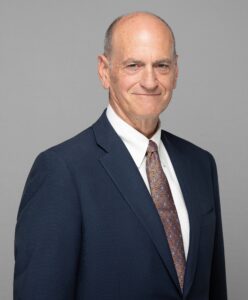
Rob’s best known for his free morning commentary on the mortgage business and the economy. He began his career in capital markets over 40 years ago in 1985 but left the daily working world in 2008 to focus on his family but continued to publish his commentary. He spends 4-5 hours a day on this and wakes up at 4AM PT to check overnight news and edit the commentary before sending it out.
His background includes hedging pipelines, running a small subprime company, speaking to companies and groups, helping various companies with various issues on a consulting basis. He was on the board of the California MBA for nine years, and is on the board of directors, or advises the boards, of several financial companies, and visits groups around the country consulting and speaking. He is a product of the California education system with a BS from Cal Poly, San Luis Obispo, and an MBA from UC Berkeley.
Together, Molly and her team bring more than 50 years of combined industry experience. They specialize in a wide range of loan programs, including Conventional, FHA, VA, USDA, 203(k), and Reverse Mortgage loans. Their dedication to exceptional service has made them one of the most successful mortgage teams in the Kansas City area.
Molly’s industry accomplishments include:
• Scotsman Guide Top Originator (2016–2025)
• Scotsman Guide #1 Producing Woman in Missouri (2020 & 2021)
• Mortgage Executive Magazine Top 1% Mortgage Originator (2016–2025)
• Ranked #32 nationally for Most Loans Closed in 2025
• The Molly Dean Team was the #1 Producing Local Mortgage Team in the Kansas City Metro (2020-2025)