
[David] Mr. Kittle, I want to go slip over to you. We’ve touched on pipelines and overall what’s going on? But you touched on something that when after we heard Adam DeSantis, you were at the MBA and you looked at what you thought was a weak response by the MBA to the news that we have $189 billion. And it was more like, we now should look at this. Is that because they’re inside the beltway and they can’t be seen? You and I, we on our podcast can make some stronger statements about it. But is that something that the MBA you think is behind the scenes doing? I agree with your statement. I’m trying to figure out how we can encourage the MBA without sounding critical.
[Kittle] So your statement right there, how can we encourage the MBA without being critical? The MBA wants to encourage HUD and everybody without being critical.
[David] It’s, is that because we’re all trying to dance around this thinking that maybe some lot less sensitivity about some of these things or just go away, start being bold.
[Kittle] Let’s what the administration we have now yeah. They’re not worried about being insensitive to anything. So let’s be direct with the HUD secretary and have the conversation and write the letter and this is what ought to happen. The things we’re not addressing, they can take care of it. It doesn’t make a big difference to Alice’s point. Do you get rid of the upfront MIP? It more helps with liquidity around the house than it does with payment, but still it’s a step in the direction. At some point, ready for this, I’ll throw this out. It hadn’t been thrown out for a while. We need to look at title insurance. Okay. It’s the largest, I’m gonna go back and call it the HUD one to show my antiquated age here. But it’s the largest item on the HUD one. And we’re renuring the same property over and over for the exorbitant amount. And when was the last time there was a claim on title insurance? On a residential property that they didn’t insure over. Okay. That’s a rhetorical question. Gimme one. And we’re not addressing the MBA’s not addressing. And it could Homeowner’s insurance. Those are the items. That have the biggest impact on the payment and around the monthly payment. So say, we’re gonna look at it and maybe they ought to think about reducing it a little bit. No, get rid of it. They still have the other MIP on there and they’ve got a fund, that’s what Alice, three or four times over the required level. Yeah. And we’re making the best loans we’ve ever made. Yeah. And we have the greatest technology out there. Yeah. And to Bill’s point earlier, if you got a problem with the fault, quit making loans over 50% DTI, for goodness sake. Yeah.
[Alice] So the, so sure the fund is in amazing shape. Page 61 of the report, which I’m still working my way through, right? So FHA published their actuarial report, which kicked all this off, right? So MBA has no reason to be timid on this because even when you read HUD’s report, they come right out and say you could do worst case scenario, it’s on page 61, worst case scenario with default in their portfolio. And they got enough to cover that reserve with money left over and we, oh, money leftover with all of the loads going to default. so that’s not gonna happen. They’ve never been over a 7% ish default rate, even in the worst of times. There’s plenty of money there and there shouldn’t be any reason MBA is timid about that they should do something.
[David] Yeah, I agree. I wanted to address that because Kittle and I talk a lot about leadership and a suggestive style I don’t think is appropriate thing. And what I was also gonna say.
[Bill] And I was gonna walk right through it, is you respond to something like that, right? Somebody way back went and taught me if you’re trying to make a point and get something changed, what’s your best arguments and evidence right up front, right? If the response back was, we understand that you’ve looked at this and said, worst case, default, still not a problem. And we agree, we’re never gonna see a default rate over that. Give them the rational arguments to make a change, not just the open-ended. It’d be really nice if you did x, right? Yeah. Especially again, since they gave their number, the number one argument to make the change. I’d put it right in print.
[David] Here’s the thing. The reason I’m bringing this up, because I think what I want let all the listeners know we should not have to wait for the MBA. We should be speaking up ourselves. We should be getting up and talking up and speaking in for the various voices we got. Mortgage Action Alliance app, the MBA has that. We have our voices heard. We need to speak up as an industry outside and just depend on the trade associations to do this. And I’m telling you, anyone listening to this podcast, you can make a difference by contacting and speaking to the agencies or this case, HUD themselves, call in, talk to ’em, write letters. I go on and on about that, but that’s the point I’m trying to get to. Yes. The MBA should have, I should take a stronger stance on this show, more, not be timid about it. We should consider those weak language. I agree with you, David. But more importantly, we all need to step up. And that’s why I wanna bring it up. It’s one of the things I’m looking at that, and some people are just throwing hissy fit over what Trump did in Venezuela, but the reality is, it’s like you said, David, we got a strong leader and we’re seeing, look what’s happening. 50,000, over 50,000 on the equities. We’re seeing the being strong response. We’re being respected. Again, we need to step up as leaders. And that’s everyone listen to this podcast. You can make a difference. How long does it take for you to take a notepad out, write something down hand, write it out, and just say, please do something about this. And here’s the words we should be saying. Listeners, one more time with everyone commenting on this. Don’t impact what doesn’t matter impact the mortgage payment. It’s got to show up what can reduce the mortgage payment other than interest rates. That what, that’s where we need to focus. Yes, David.
[Kittle] So to Bill’s point, everybody else, there’s nothing wrong with respectful dissent at all. If you can back it up with fact. Yeah, so let’s quit being timid about this is ridiculous. To your point, everybody ought to be opining about this, with everybody their congressmen and their senators and any, everybody that they talk to, anytime they have an opportunity to speak whether, like this podcast, which is, the number one mortgage podcast out there that you have, David, people are listening to it. We have an administration that accepts I shouldn’t say accepts, that actually goes forward with steps into, they step into, it’s a very loud voice, right? Yeah. They may not like negative response, but this isn’t a negative response. It’s a positive response to unleash to a very, yeah.
[David] Yeah. Exactly right. Marc, you’re an old stage in the business. You’ve seen that. Last thoughts before we move on over to Alice?
[Marc] Very much and I wanna mention everybody on this, if we could maybe next week target a discussion I’d like to have on this group. I’ve been doing a bunch of work on the thing that’s coming out on FICO Advantage on credit scores and all and effect it might have on the industry, pricing considerations, cost evaluation of credit, the whole picture and all. And I’d like to discuss that next week and share with you some of the things I found in my research. But I agree with what’s been said here so far. We have to make a difference and the only way we’re gonna do it is be vocal about it. And it seems like everybody else in the world is wanna be vocal about us and all the politicians wanna be vocal about each other. We need to be vocal about our industry and show that we care and we want the best for our borrowers. And the best way to do that is try to figure out some ways to get people to get into houses where they can afford it and eliminate some of these extraordinary costs and some of these things that have skyrocketed up over. I love what Mr. Kittle said about looking at other things and about looking at title insurance, look about the mortgage insurance, and you can look through those and I think we need to look at some credit to, and I’ll share some of that with you next week when we discuss that. I’ll discuss that topic with the group. But that’s where I am. We need to be vocal and we need to move forward and put our best foot forward because if we don’t, we’re just gonna mark time. And in army mark time means standing in one place, going up and down with your feet and you going nowhere. And I don’t want to go nowhere.
[David] Again Mark’s, Vietnam, background in there. All right. Marching in place. All right. A lot of that going on for too long. It’s time to step up listeners. All right.
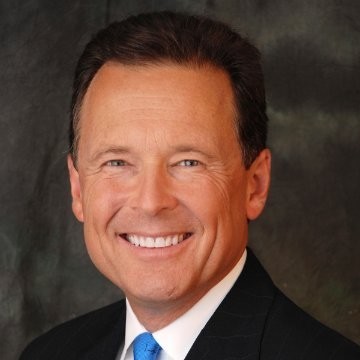
David G. Kittle, CMB is a highly respected leader in the mortgage industry, with over 45 years of experience. He is the Co-Founder and Chairman of The Mortgage Collaborative (TMC), a mortgage lending cooperative providing members with access to resources and tools to improve their business operations.
Kittle began his mortgage banking career with American Fletcher Mortgage Company as a top-producing loan officer in 1978 moving to the management side in 1986 with Southmark Mortgage. He opened Associates Mortgage Group, the first of his three lending companies in 1994.
Kittle served as MORPAC Chairman for MBA, from 2004-2006. He is past President of both the Louisville and Kentucky Mortgage Bankers Associations, as well as leading the industry through its most tumultuous period as Chairman of the Mortgage Bankers Association, Washington DC in 2009. Kittle has testified before congress 14 times.
Kittle has been a driving force behind the growth and success of TMC, working to bring together mortgage lenders from across the country to share best practices and collaborate on key industry issues. Kittle has also been a vocal advocate for innovation and technology adoption in the mortgage industry, urging lenders to embrace new tools and strategies to improve their operations and better serve their customers.
Kittle is a frequent speaker at industry events and conferences, sharing his expertise on a variety of topics related to mortgage lending.
He resides in Louisville, Kentucky, he has four children and two grandchildren.