
[David] Alice, let’s get into your segment. It’s a Martin Luther King Day. You always have some great reflections or thoughts for us. What you got.
[Alice] Yeah, so hi everyone. Happy Martin Luther King Day. It is a day of reflection usually on the show for my segment anyway. I always go back to the Equal Credit Opportunity Act and Fair Housing Act. It’s a good time of year anyway, since we have HMDA reports, the Home Mortgage Disclosure Act report, that’s due March 1st and so hopefully all of you. You’ve done a good job of maintaining your data throughout the year, and this is just a matter of cleaning up Q4. Usually smaller companies, it’s not quite as easy. So everyone around you at your mortgage companies identify who that person is, who files the whole Mortgage Disclosure Act for your company and thank them. HMDA is a four letter word. I always say so. But back to eCOA. Yes. I’ve managed that for many years now, when you do tens of thousands or hundreds of thousands of loans in a year, that’s a lot of data to get right. So anyway, the Equal Credit Opportunity Act, for so many people out there, you just think our rights are, have always been out there. But, this was a big thing for women’s rights as well to make sure we’re not considering marital status. We’re not considered considering childbearing years. I, Dave, you guys, you’ve been in this business long enough. I do remember I remember a loan where the underwriter came right out and said, we were using the women’s income and, but she was 22 years old And the underwriter said she’s gonna stop earning money and go have babies, so I don’t think we should count her income. And this is 10 years after that law was put in place. So I do think that, having these boundaries and ways to enforce them are important. I do agree with what MBA’s report was this morning, so please make sure that you pay attention to the HUD proposed rule to remove the disparate impact. This is a piece that is an outlier from the Fair Housing Act. And I don’t know, it stems back, I think it goes way back to when HUD used to oversee that solely. So the comments are due February 13th. So we will watch for MBA’s comment. It is nice. I’ve talked to them and encouraged that they try and get those out at least a couple of days before the due date because it’s super nice as a participant to just go, I agree with MBA’s letter. Just tag on to that and instead of having to always write your own. But for those of you who don’t wanna wait till the last minute, it is good to get out and comment on HUD’s proposed rule. And we can we do have a previous show that I talked about that I’ll provide you the date, Dave, I apologize. I don’t have that handy. But just wanted to let everybody have a reminder of the value of those rules when they’re managed correctly. And I’m glad that we’re getting rid of some of the things that you know put liability where it shouldn’t be. They are tough to manage when it’s a reverse lookup. And that’s, we talked about that also on previous shows where it’s trying to take data that you’ve loans that you’ve closed and turned around and say, wait a minute, backing into was there any unfair treatment? The laws were meant to, I think originally just make sure there wasn’t any disparate treatment upfront or deliberate policies to exclude people. What’s happened over the years is sometimes that people back into the data when a lender had no intention of discriminating. So that’s really removing some of these, those kind of interpretations would be really helpful on these regulations to make sure they do what they’re supposed to do. But that’s my two cents for today, Dave, on Martin Luther. Thank you to all you people out there who have to work with HMDA.
[David] Yeah. Isn’t it amazing when you bring up eCOA and that we used to actually legitimately look at the at a woman’s age and say, we’re not too sure about that stability of the income. It’s just shocking. We, in our current…
[Alice] A single woman. A marital status too. Yeah. If she wasn’t embarrassed, they couldn’t find her.
[David] Yeah. It’s just astounding what we used to throw into that equation and which is we’ve taken out that subjectivity, which we, I’m glad we did. But it’s, you think about so many things going all the way back to women’s rights. It’s just hard to believe how, and it wasn’t that many years ago. That’s the part. So I think what more do we have to do moving forward without it getting crazy? I’m so glad that you brought that up. Really glad you brought that up. It’s always fun to get your report. Alice, thank you so much again, all the reports, listeners, you can listen to each and every one. You wanna binge on Alice, go to Alice’s subpage within our website, Lykken on Lending or Bill’s, comments or Marks, Allens, they’re all there. You’re welcome to listen to ’em. And you can binge on any one of these. It’s fun to do. So I go back and do that every once in a while. Different ones, i’ll go back in and binge on one of our participants. And it’s always so fun.
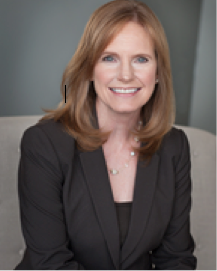
Alice Alvey, Master CMB
She handles development of their World Class Training program designed to support UHM partners and organizational effectiveness.
Prior to UHM, Alice served as Senior Vice President at Indecomm leading the Indecomm-Mortgage U division, Internal QA and Compliance and SaaS technologies. Indecomm acquired Mortgage U in 2013, where Alice was President/Co-founder, providing training and consulting since 1996. Prior to MU she served as SVP of Operations at a national bank overseeing operations for wholesale, retail and correspondent from underwriting through servicing, and compliance.
She has been in the trenches of mortgage lending operations from application through servicing for over 30 years. Her authoring work in training content, policies and procedures and the FHA/VA Practical guides illustrates her ability to bridge regulatory requirements with day-to-day operations.
Alice has been a weekly contributor to the Lykken on Lending show since its beginning in April 2009 and has made her weekly contributions to 450+ episodes!